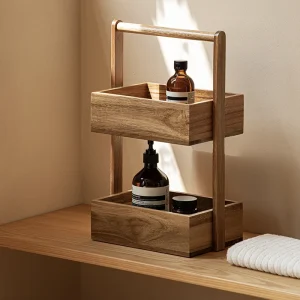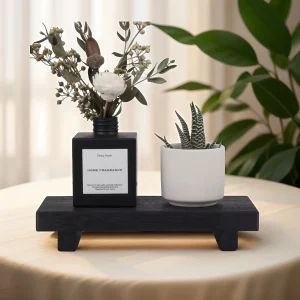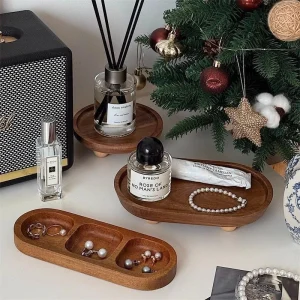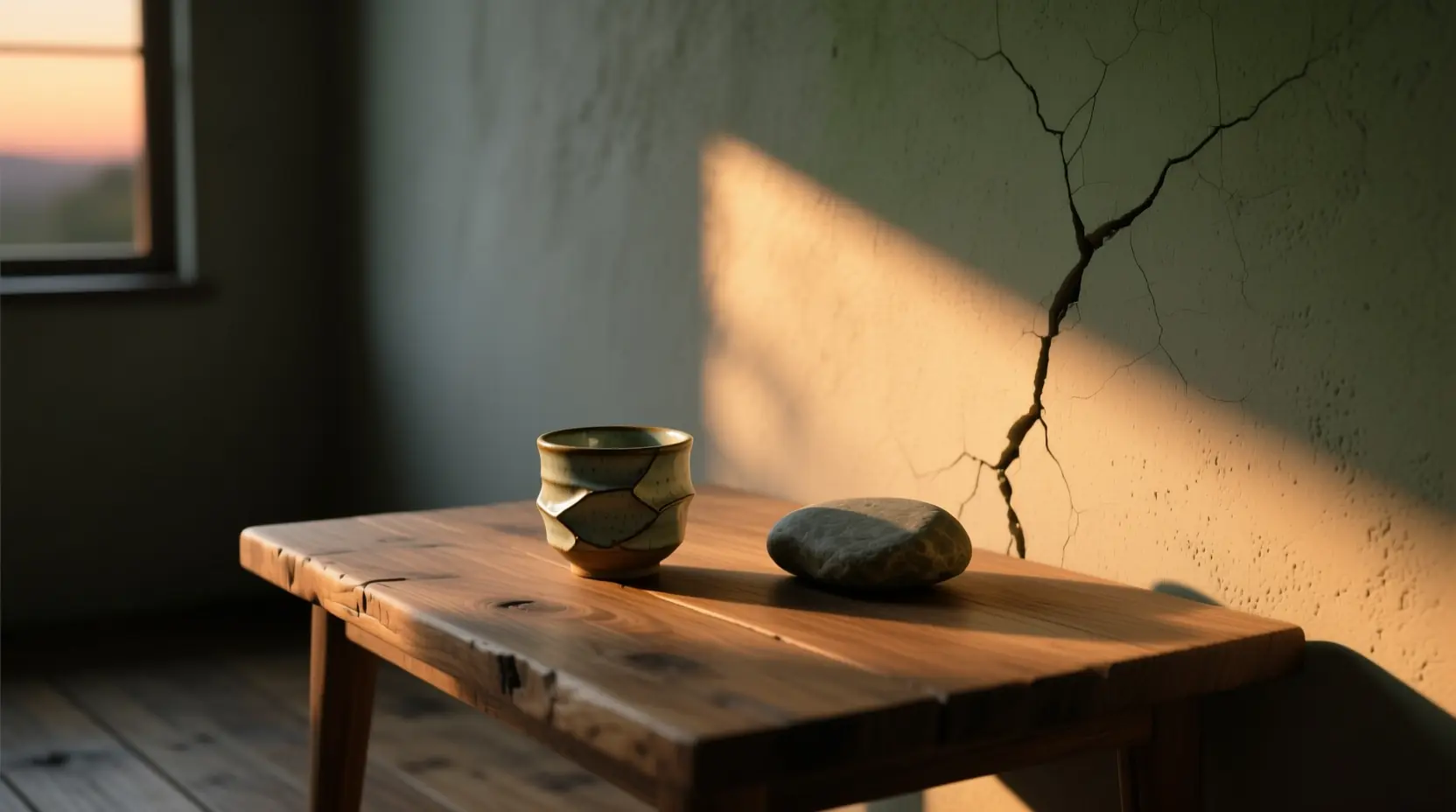
The city vibrates. A low, insistent hum. A ringing in the jawbone. A glare that never dims. A noise that never sleeps. Surfaces that shine, defiantly new. We are ghosts in these corridors of glass. Surrounded, yet rootless. The heart, made for seasons and for silences, grows thin. It begins to thirst. For a shadow. For a fissure. For a sign that time is allowed to pass, and in its passing, to leave a mark.
On the Beauty of the Cracked Vessel
We have been taught a grammar of flawlessness. The straight line. The seamless surface. The untouched and the pristine. It is a dialect of fear. For nothing that lives is without mark. To demand it of our world is to wage a silent war on our own souls. We are beings of breath and stumble. Of mended bones and laughter lines.
The old way does not speak of perfection. It listens for acceptance. It finds a universe in the patina, a story in the fracture. It knows the bowl, once broken and joined with gold—*kintsugi*—holds more soul for having been shattered. The break is not concealed. It is gilded. It becomes the narrative.
Your Room as a Gentle Refusal
What does this mean, within your four walls? It is the choice of the hand-thrown cup, its slight warp a memory of the potter’s thumb. It is the bookshelf of wood that remembers rain and sun, its grain a topography of years. It is the water stain on the ceiling, a phantom continent, around which you might paint a sky of deep, forgiving blue.
To admit the imperfect into your space is to grant yourself the same grace. The pressure for a spotless life, an unblemished performance, finds its edge softened here. The room murmurs, ‘You are enough, as you are.’ The street’s cry for more, newer, better, meets a quiet resistance at your threshold. It meets the dignified silence of *enough*.
The Patina of a Life Lived
Consider this beam of old pine. Its surface is not smooth, but rippled like a streambed. The soft grain has worn away, leaving the hard grain in relief. You can feel decades in that topography. This is *sabi*—the beauty of the long-weathered, the tranquil solitude of age. It is the rust on the kettle. The moss on the lantern. The way linen softens, holding the ghost of its folds.
The city lives in a tyranny of the new. A relentless present. It severs us from the past and dreads the future, which is merely another novelty to be consumed. This rootlessness feeds a nameless anxiety. We become ephemeral in our own stories.
Objects as Witnesses
A space touched by this understanding is an anchor in time. It is layered. The smooth stone on the desk came from a walk in October. The faded quilt carries the scent of grandmother’s cupboard. The old table bears the pale rings of a hundred cups of tea, the gentle scars of communion. These are not decorations. They are witnesses. They say, ‘You have been here. You have lived. You are a stitch in a longer thread.’
To gather these soulful things is a practice. It is not acquisition. It is foraging. Receiving. Mending. It teaches a slow patience. You cannot purchase a patina. You must live alongside a thing. Care for it. Allow time to do its gentle, erosive work. This pace is a direct antidote to the frantic, scrolling hunger. It returns you to an older rhythm. The rhythm of growth. Of decay. Of quiet return.
The Truth of the Material
Listen to the difference. The sharp click of a switch on a blank wall. Now, run your palm across this wall of clay plaster. Feel the trowel’s path. The flecks of straw. The undulating, earthy hue. It is not uniform. It breathes. It holds the light differently, moment by moment.
This way is fiercely material. It asks you to see the *thing-ness* of the thing. To honour the essence of wood—whether it wishes to be rough-hewn or smooth. It prefers the humble and the local: raw linen that wrinkles with life; unfinished oak that expands with the damp; stone cool from the earth; iron that speaks of the forge.
A Balm Against the False
In a world of laminates and polymers, of surfaces that mimic other surfaces, this honesty is a deep salve. Our senses are starved for truth. Anxiety is, in part, a body’s knowing—a subliminal understanding that we are surrounded by facsimile. We grow tense, waiting for the lie to reveal itself.
But a room built on these principles tells the truth. The wood is wood. The clay is clay. The weave is evident. Your hand knows it. Your eye rests upon it. There is no deception, and thus, no need for vigilance. The space is calm because it is authentic. It asks for your authentic self in return. You may slump into the worn chair. Place your cup without a coaster. You may simply *be*.
The Discipline of the Empty Place
Here is the deepest teaching. This is not about accumulation, even of beautiful, time-worn things. It is, perhaps more than anything, about reverence for *ma*—the negative space, the interval, the pause.
Look at this alcove. A single branch of autumn birch in a simple vessel. A scroll with a single character. Nothing more. The emptiness around it is not void. It is charged. It is where the object breathes, and where your mind may come to rest. It is the silence between the notes that makes the music.
An Act of Self-Defense
The city fills every crevice. Visually. Sonically. Mentally. There is no pause. Anxiety is what grows in the absence of pause. It is the mind, overstimulated, spinning its own terrible webs to fill the silence it is denied.
To create *ma* in your home is a radical act of care. It is the clear space on the mantle. The unadorned wall. The corner where only the afternoon light pools and slowly fades. It is the conscious removal, not the frantic addition. This emptiness is not a lack. It is a generosity. An invitation for your spirit to expand into it, to untangle, to be present.
Clean your space not as a chore, but as a meditation. Feel the weight of an object in your hand. Does it hold meaning? Does it bring a quiet joy? Does it serve a purpose, practical or poetic? If not, thank it. Let it go. The space it leaves behind will hold more peace than the object ever contained.
All Things in Their Season
See this vase? It holds one camellia. The petals are perfect, yet already at their peak. Tomorrow, the edges will brown. They will fall. This is not tragedy to the contemplative mind. It is the central, beautiful truth. *Mono no aware*: the poignant awareness of the transience of all things. The gentle sadness of things passing, married to a deeper gratitude for their brief, bright presence.
The city’s anxiety is often a fight against this truth. We fear decay. We hide age. We dread change. We seek permanence in the impermanent, and it exhausts us.
A Teacher of Letting Go
A space like this is a teacher of release. The morning light that stripes the floorboards—you cannot keep it. The dried arrangement of honesty pods and brittle oak leaves—it will slowly return to dust. The plaster will develop fine, hairline cracks, like a map of its settling. And this is as it should be.
When you cease the fight against transience, a profound peace settles. The anxiety of maintaining a perfect, static life evaporates. You learn to love the peony’s blush precisely because it will wilt. You care for the wooden bowl, knowing it will darken with oil and time. You are not a curator of a museum, but a companion to a process. You are living *with* the current, not against it.
The Stream Finds Its Way
So you see. It is not a style. It is a stance. A way of breathing within your own skin, within your own walls.
Begin small. Do not overwhelm. Find one thing. A stone that fits the hollow of your palm. A piece of driftwood that speaks of river and root. Place it where you will see it. Let it be.
Notice the light. Where does it linger? Leave that space open. Let the light live there.
Mend something. A tear. A chip. Do it visibly, with care. Not to disguise, but to honour.
Your home can become a gentle rebuttal. A sanctuary that speaks in the old tongue of grain and patina, of shadow and empty space, of graceful decay and quiet endurance. It does not shout of wealth or taste. It whispers of understanding.
And on a Tuesday evening, when the city’s fevered hum seeps through the glass, you will sit on your worn cushion, your hand around a warm, imperfect cup. You will look at the long crack in the plaster you have come to love, tracing its path like a river on a map. And you will breathe. The fever outside will not have cooled. But you will have found, within, the quiet, everlasting coolness of the stone.