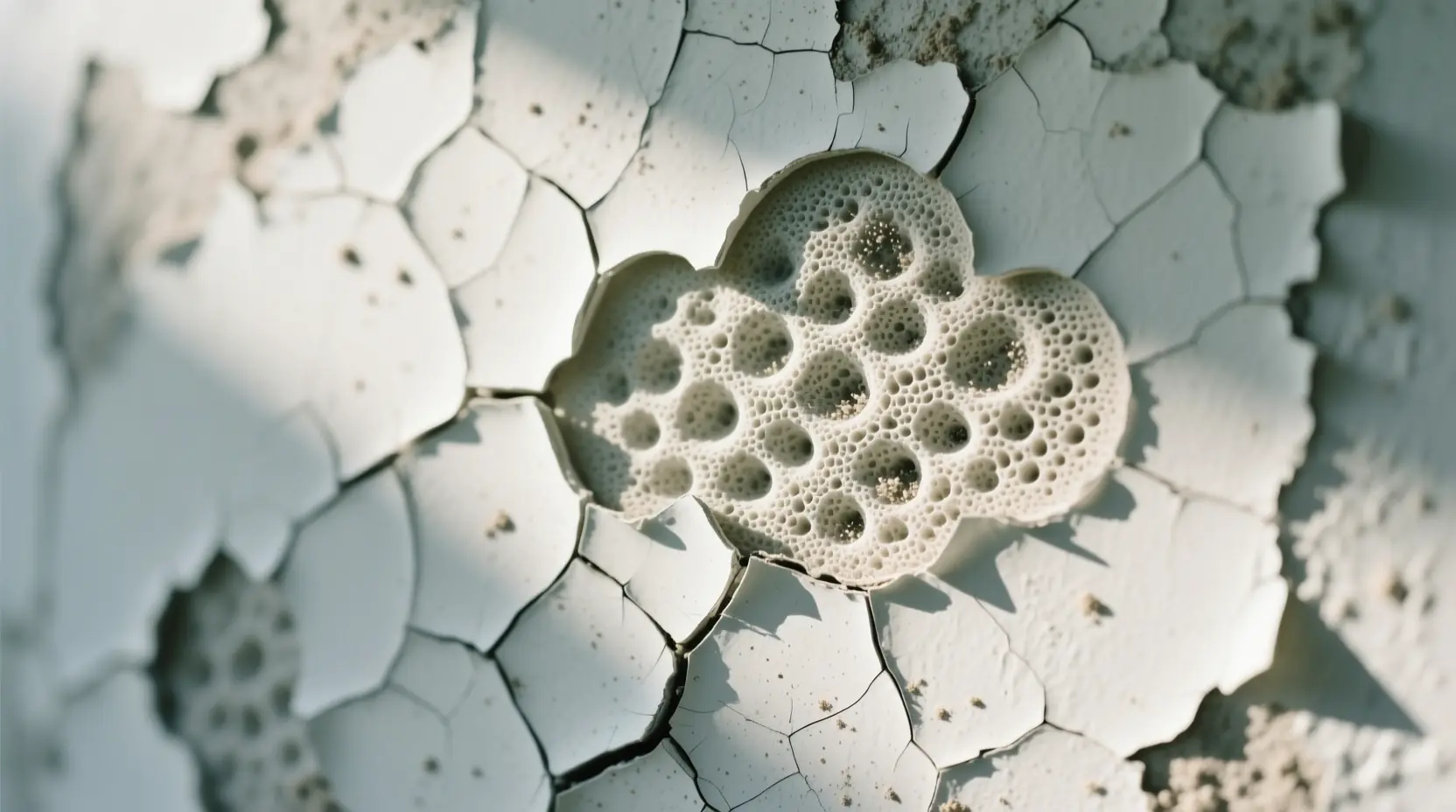
The Skin of a Room
Imagine your walls not as barriers, but as membranes. Breathing. The coarse bark of an ancient pine, sheltering a hidden silence. The face of a cliff, smoothed by millennia of wind, yet fractured by a single, perfect crack. The worn linen of a garment, softened by countless dawns and the press of a hand. This is the invitation. Not a style to be applied, but a presence to be uncovered. A slow conversation between your intention, the humble materials, and the gentle, irrevocable passage of time.
Come. Sit. Let us not rush.
A Cracked Bowl Holds More Tea
First, you must empty your cup. Pour out the desire for the sterile, the seamless, the machine-made perfection. In its place, allow the quiet admiration for the slight warp in the wood, the gentle fade of indigo in the sun, the thumbprint left in the clay by a potter who did not seek to hide it. Wabi-sabi whispers of frost etching its delicate, fleeting lattice on a windowpane. Of moss claiming the north face of a stone, a soft, green patience. Of old plaster in a forgotten room, deepening its story with every passing season.
Your wall should feel found, not made. It should carry the quiet dignity of something that has always been, patiently waiting for your notice.
Prepare your space as for meditation. Sweep the floor until the boards sigh. Clear the room of all that shouts. Feel the existing wall. Lay your palm flat upon it. Is it cool? Smooth? Uneven? Good. That is its truth. Its beginning. We will collaborate with this truth, not conquer it. Mend the gaping wounds, yes. But honor the subtle undulations—the hills and valleys of your private landscape. Prime not for a blank slate, but for receptivity. A flat, quiet ground. Like damp earth awaiting the first, soft fall of rain.
Gathering Humble Tools
You will not need many things. A few brushes, their handles polished by use, comfortable in the grip like an old walking stick. A wide, soft rag of pure linen, thin in places. A trowel of aged metal, its edge not sharp, but wise from use. A sea sponge, pulled from the shore, dried in the sun, holding the memory of salt and wave. These are your companions. Feel their weight in your hand. A plastic tool has no soul. But wood, worn bristles, absorbent cloth—these have memory. They will conspire with you.
For paint, choose with your eyes closed. Listen for the color. Open them only to see the grey of a dove’s wing at twilight. The warm white of sun-bleached bone on high desert sand. The muted green of lichen on a sleeping branch. The deep, breathing tone of soil freshly turned. These are not colors that declare. They are colors that listen. Mix them yourself if you can. A pinch of raw umber to ground a white. A breath of charcoal to soften a blue. Let the mixture be imperfect. A slight variation is not a mistake; it is a signature. A whisper of the day it was made.
The First Layer: The Breath of the Wall
Now, begin. Not with a plan, but with a breath.
Dip your brush. Let it drink deeply. Apply the paint not to cover, but to awaken. Use long, vertical strokes, following the wall’s own rise. Do not fight the drag of the bristles. Let them skip. Let them leave behind thin, translucent patches where the wall whispers through. This first layer is the foundation tone, the wall’s deepest, most essential self. It is the sky in the hour before dawn, holding its breath. Do not seek uniformity. In the unevenness, a future texture is born, sleeping. Let it dry completely. Listen to the house settle around you. Hear the tick of cooling wood. Have a cup of tea. This waiting is not idle. It is part of the work. The wall must absorb.
The Second Layer: The Memory of Water
Here, we introduce the dialogue. Thin your paint with clean water. More than you think. It should be the consistency of a morning mist hovering over a still pond. Dampen your rag or sponge. Not wet, but receptive, like moss after a light dew.
Dip the cloth into this wash of color. Wring it gently, a tender pressure. Now, with the lightest touch, lay the wash onto the wall. Do not brush. Dab. Caress. Imagine you are a cloud leaving a faint, cool stain on a sun-warmed stone. Let the wash pool slightly at the edges of your dabs. Let it bleed, softly, into the first layer. The goal is not coverage, but conversation. The under-layer must breathe through this veil. Move across the wall like a breeze—uneven, natural, without pattern or repetition. Some areas will gather more density, a quiet depth. Some will be barely touched, a mere suggestion. This is good. This is the “sabi”—the beautiful patina, the rustling silence of age.
You may use a dry brush here. Drag it lightly, almost empty of paint, over a raised area of plaster. It will catch only on the high points, leaving a ghost of a highlight, like the first, faint frost on a late-autumn field.
The Third Layer: The Touch of Time
Now, we invite texture. This is where the wall finds its voice.
Take your undiluted paint. A different, yet harmonious, shade. A tone slightly lighter or darker than what lies beneath, like a shadow cast by a low sun. Load a stiff, old brush. Now, with a flick of your wrist from a relaxed shoulder, create a sfumato. A softening. A blurring of edges. Tap the brush against the wall. Stipple. Let the paint fall from the bristles in tiny, random specks, like dust motes dancing in a sunbeam. Do not think. Let your arm move with the memory of shaking dew from a pine branch.
Or, take your trowel. Spread a small, irregular patch of thicker medium—a glaze mixed with a whisper of fine sand or joint compound for grit. Spread it thinly, then pull the trowel away in one fluid motion. The surface will pull. It will crack, like the bed of a drought-touched river. Do not fix these cracks. Honor them. They are the calligraphy of authenticity, written in the language of tension and release.
Use the sea sponge. Dab it lightly in paint, then press and twist with a gentle rotation. It will create organic, cloud-like formations. A memory of stone worn smooth by the sea.
The key is asymmetry. A gathering of texture here, in one corner, as if history settled there. A lone, weathered mark there, like a solitary bird on a wire. Your eye should wander the wall, discovering, not surveying. It should journey, not march.
The Final Layer: The Patina of Life
Now, we unite. We soften. We age.
With a clean, soft, barely-damp rag, gently blur the edges of your textures. Fuse them to the wall’s skin. There should be no hard lines, only gentle transitions. As a stone’s sharp edge is worn smooth by centuries of patient water. Take a glaze—a translucent, smoky mix—and wash it over everything with the broadest, most peaceful strokes. This is the dust of decades settling. The soft filter of memory. It seeps into the crevices, deepening the shadows, quieting the bright notes, unifying the story into one whispered sentence.
Then, step back. Sit on the floor. Observe as the light changes. The morning sun will reveal one truth, carving long, soft shadows. The afternoon light will reveal another, washing the wall in a flat, forgiving gold. Your wall is no longer a static thing. It is a living surface, a participant in the day. It will have calm, expansive plains and areas of gentle, quiet tension. It should feel balanced, but never symmetrical. It should feel complete, but never finished.
The Soul of the Room
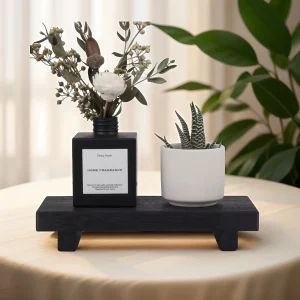
When you are done, do not rush to hang a picture. To fill the silence. Live with the emptiness for a time. A day. A week. Let the wall speak. Listen. It may tell you that it needs only a single, rough-hewn shelf of weathered wood, holding a space as much as an object. It may ask for nothing more than the elegant, leaning shadow of a solitary branch in a simple vase. The room around it must follow its lead. Choose objects one by one, with long pauses between, as you would choose stones from a shore—feeling their weight, their history, their cool touch. A hand-thrown pot with a thick, dripped glaze. A woven blanket, mended with care in a contrasting thread. A single page of faded calligraphy, framed by the wall itself. Each thing must have a history, a slight imperfection that endears it to you, that makes it real.
This wall you have made, it is not a backdrop. It is a participant. It accepts the sun and holds the shade within its texture. It will change with the hours and the years. A scuff may appear from a moved chair. A faint mark may grace its surface. Instead of lamenting, touch it. It is now part of the narrative. This is the essence: to see the beauty in the entire cycle, not just the peak. The grace in the gentle fading, not just the vivid bloom.
You have not painted a wall. You have listened to it. You have given it a skin that speaks of rain and wind, of the patient, invisible hand of time. You have crafted a space that does not boast, but simply is. A room that offers not excitement, but profound, echoing peace. A sanctuary where the cracks are not flaws, but quiet reminders—that everything, especially this very moment, is beautifully, tenderly, transient.