A Vessel for Silence, Held in Sunlight and Dust
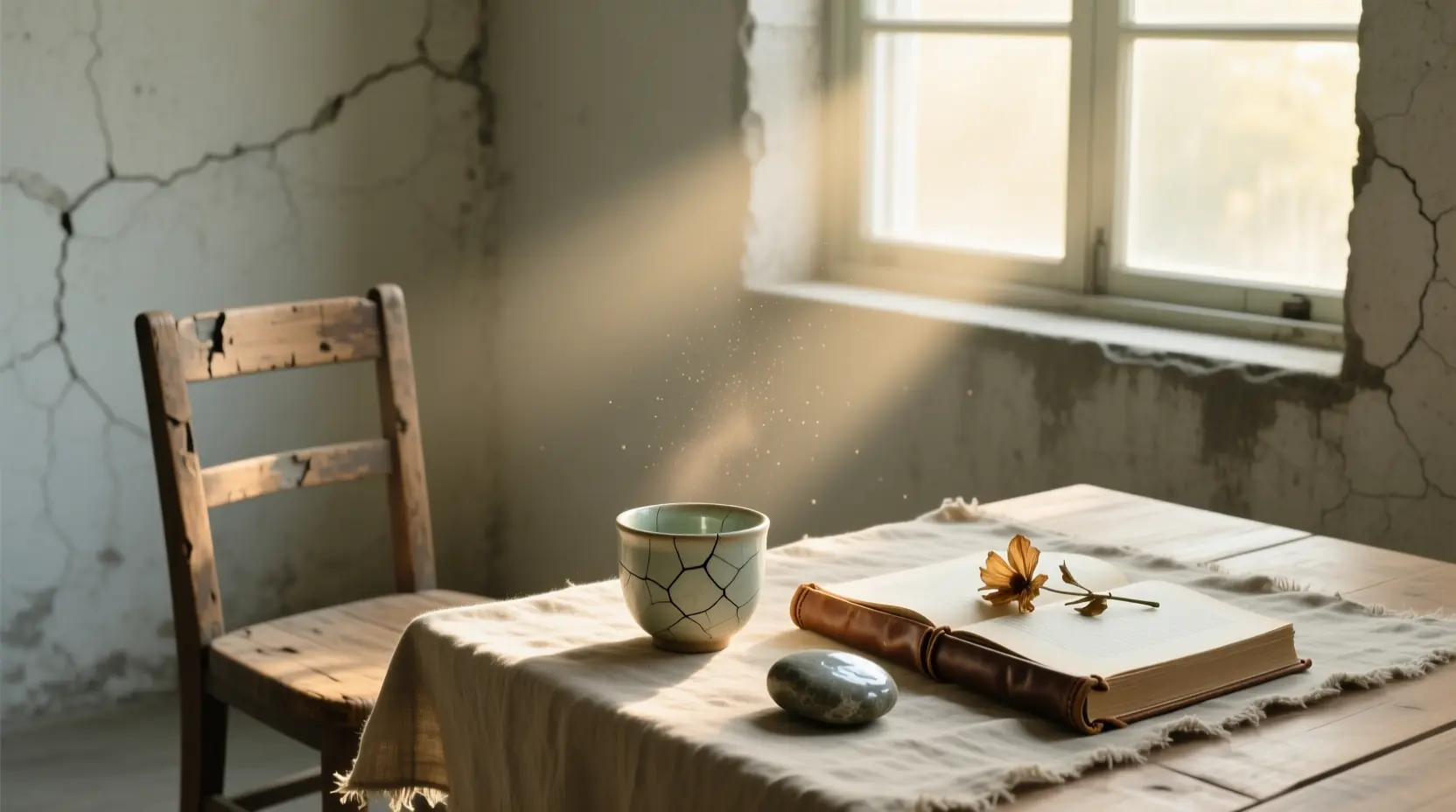
The light arrives. Slow, slanting. It finds the air, thick with floating worlds. Dust motes. They spiral in the beam, a private cosmos. They settle. On the book’s cracked spine. On the chair arm, worn smooth by the passage of a solitary elbow. This is not untidiness. It is a manuscript. A soft, accruing record of days lived close to the bone, in a room of one’s own.
To live alone is to know silence as a substance. Not void, but presence. The low hum of the refrigerator. The deep-throated creak of a floorboard, yielding. The rain’s whispered secret against the pane. It is a practice. A slow art of becoming comfortable with the architecture of your own breath. To shape such a dwelling—a studio, a single room—we might listen to an older wisdom. Not to furnish, but to hollow. To heed the philosophy of *wabi-sabi*. It speaks in moss and crackle. Of imperfection’s grace. Of impermanence’s gentle, relentless truth. It finds the sublime in the worn, the rustic, the unadorned. It is seeing the whole universe held in the quiet asymmetry of a single, hand-thrown bowl.
It asks for nothing loud. Only a surrender of the acquisitive eye. A softening into the deep poetry of the incomplete.
The Sacred Geography of Empty Space
First, we must hollow. Carve not with tools, but with attention.
Clear the clamor. Let the walls remember their own skin. A studio is a vessel; it must hold you without clutching. Do not fear the blank stretch of floor. It is a pool for the afternoon light to drink from. In the temple, they rake the gravel. Not to banish the stone, but to reveal its essence. Do this here. What is essential? A bed for dreaming. A chair for reading. A low table for a single cup of steaming tea. Let each object earn its keep through solace, through utility to the hand and the quieted heart.
This emptiness is not absence. It is a fertile ground. Room for the arm to stretch wide without touching a thing. For the thought to unfurl to its full, tender length. It is the fullness of potential. The deep breath before the sigh.
Letting Wood, Stone, and Cloth Confess
Now, invite the world in. But only in its honest form.
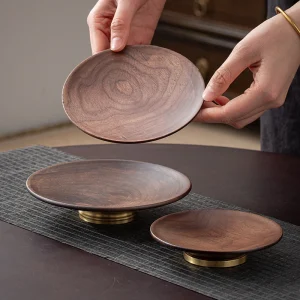
Seek wood that remembers the forest. A shelf bearing a knot-hole—an echo of a lost limb. A stool leg that curves with the tree’s patient sway. Feel it. It is not silenced beneath glossy lacquer. It is quiet, but speaks in grain and texture. When the low sun finds its ridges, it hums an ancient, terrestrial song.
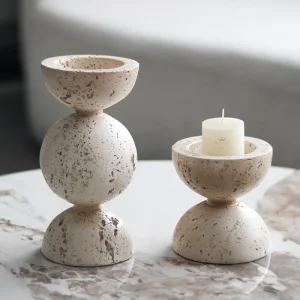
Welcome stone. A river-tumbled pebble to weight a sheaf of paper. A rough-hewn slate slab, cool to the touch, as a tabletop. Stone teaches deep time. It holds within it the memory of mountain and the caress of endless water. It anchors the room. It whispers of bedrock.
Drape the space in cloth that knows the loom. Raw linen, with its subtle, honoring irregularities. Undyed cotton, the hue of old parchment or morning mist. Wool that still carries a ghost of pastureland. These fabrics do not shout. They absorb sound, absorb light. They invite a weary hand. A rumpled linen sheet tells of deep rest. A wool throw, folded over the chair’s back, awaits the evening’s gentle encroachment.
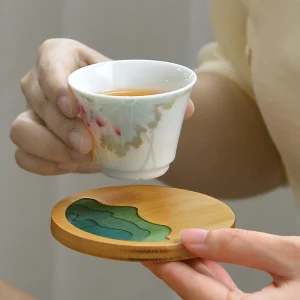
Honor the crack. The glaze on the teacup that has crazed into its own unique, silvery river delta. The terracotta pot faded by sun from orange to a memory of blush. Do not hide them. Mend them, if you are moved. With gold lacquer, in the *kintsugi* way. The repair becomes a luminous scar. A celebration of the object’s history, its survival. It whispers, clearly: *I am more beautiful for having been broken.*
The Gentle Archaeology of Presence
A studio inhabited by one soul gathers its own aura. It becomes an extension of your inner weather.
Notice the wear. The spot on the windowsill polished by the habitual lean of your elbow. Let it gleam. The sun-faded square on the rug where light takes its daily nap. Honor it. These are not flaws. They are the gentle archaeology of a life. The patina of presence.
Choose companions, not décor. A bowl from a roadside stall. A book whose margins are filled with a stranger’s forgotten thoughts. A postcard, a feather, a weathered key. These are talismans. Each holds a story, a thread back to a moment, a person, a feeling. They ask for nothing but a glance, and return you to yourself.
Allow for the turn. A wabi-sabi space is not a still life. It is a slow, seasonal dance. Today, a single branch of quince in a simple jug. Tomorrow, perhaps only a smooth stone on the table. Let the room breathe with the world outside. A sheer curtain for summer’s breath. A heavier weave for winter’s hush. A bowl of acorns in October. A solitary, sun-bleached shell in August. The room is a mirror to the turning earth.
The Liturgy of Small, Solo Acts
Comfort here is woven through ritual. Tiny, deliberate acts that sanctify the solitude.
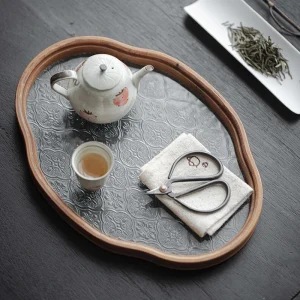
The morning tea. Not made, but performed. Heating the water, watching it shudder to a boil. Warming the pot. Choosing the cup—perhaps the one with the golden seam. Sitting, feeling its heat bleed into your palms. This is active stillness. It roots you in the now.
The preparing of a simple meal. One plate. One bowl. One perfect apple on a worn wooden board. Set it with intention, even for an audience of one. To beautify the mundane is an act of self-regard. A quiet vow that this sustenance, this moment, matters.
The lighting of a single candle at dusk. Watch the flame tremble, casting long, dancing shadows. See how it gilds the linen’s weave, deepens the wood’s grain, makes the wall a topography of gold and black. It transforms the studio into a cave of soft light. A sanctuary against the vast, star-dusted night.
The mending of a torn seam. By the window, needle in hand. The slow, in-and-out pilgrimage of thread. This is not a chore. It is an act of preservation. For the garment, for the resource, for the soul. It teaches the beauty of tending. Of making whole again.
The Soul, Imperfect and Complete
In the end, a wabi-sabi studio is a lived poem to the beauty of the imperfect, the transient, the humble.
It does not declare. It intimates. It does not blind. It clarifies. It is a space where you may be utterly, unapologetically yourself—flawed, evolving, beautifully unfinished. The water mark on the ceiling is a memory of a long, nurturing rain. The uneven floor sings the house’s gradual descent into the arms of the earth. The chip on the plate’s edge is a souvenir of laughter, of a meal shared, or savored alone.
Here, you are not besieged by objects demanding newness, perfection, permanence. You are companioned by things that are honest, aged, and fleeting. This acceptance seeps into the marrow. It teaches you to see the grace in your own weathering. The lines on your face become like the grain in the wood—stories of sun and expression. Your scars become like the golden repair—testaments to resilience, to healing. They are not to conceal. They are the marks of a life, lived.
Living solo in such a vessel, you become its still center. The curator of your own peace. The witness to the daily drama of light and shadow. The tender of the small, sacred flames.
The outer world may clamor for the shiny, the untouched, the eternal. But here, in your studio, you have forged a pact with a deeper truth. You have chosen the comfort of authenticity. The profound solace of things as they are, and as they are becoming. The immense beauty of a single, sun-drenched room, holding you—just as you are—in its quiet, imperfect, and steadfast embrace.
The dust motes continue their silent ballet. You watch them, from your chair, its arms softened by time. And you understand. You are not merely styling a space. You are crafting a sanctuary for the soul. A gentle, enduring home for the solitary, seeking heart.