The Sigh of the Kettle, the Pooling of the Light
The kettle sighs on the stove. A long, whispering release of steam. It is not a whistle of insistence, but an exhale. An invitation. An end to waiting, a beginning of becoming. Outside, the light softens. The kind of gold that doesn’t blaze, but seeps. It pools in the grain of the old pine table, climbs the uneven plaster wall, and rests. Heavy. Liquid. This is the hour before arrival. The hour of quiet preparation. Not for spectacle, but for gathering. We are not building a stage. We are simply clearing a space in the drift of the day. Raking the gravel of the mind. Making room for communion. This is the spirit of wabi-sabi. And tonight, we will share a meal within it.
Not a Thing to Be Bought, But a Way of Seeing
Wabi-sabi is not a checklist. It is not a style. It is a slow turning of the eye, a softening of the gaze. It is born from the tear in a leaf, veined and brittle. From the glaze crackled by the kiss of the kiln, a map of tiny rivers. From the silvery drift of moss on a north-facing stone. It is the beauty of what is honest. What is transient. What bears the gentle, inevitable marks of time. To host within this spirit is not to follow rules. It is to cultivate an atmosphere, heavy as dusk. It is to offer an experience felt in the bones, deep in the marrow of memory.
The Invitation Is a Whisper, Not a Shout
Let us begin with the asking. Do not send a shout of bright colors and demanding fonts. Let your invitation be a whisper. A soft breath on paper. Perhaps unbleached, with the ghost of its origin still visible. Your words, handwritten. The ink might bleed a little into the fibrous surface. This is good. It speaks of a human hand, of a moment of attention. Suggest, rather than declare. “We shall share a simple meal as the light fades.” Or, “Soup and bread await, and good company.” The promise is of sustenance, not show. You are not offering a product, but a fragment of time. Fragile and fleeting as the last sun on a jar of well water.
Clearing the Space Like a Sand Garden
Before a thing is placed, space must be made. Do not clean for sterility. Clean for clarity. Sweep the floor. Feel the broom’s whisper against the wood, the soft scratch that speaks of use, of passage. Wipe the table not to a blinding shine, but until its story is visible—the faint ring from a forgotten cup, the shallow scratch from a chair drawn close in conversation. These are not flaws to be erased. They are the rings in a tree. The topography of a life lived here. The history of the room.
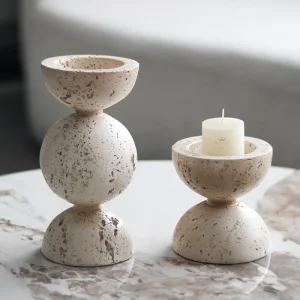
Now, consider the light. Reject the overhead glare that flattens and judges, that exposes every supposed flaw. Instead, gather small pools of warmth. A few beeswax candles, their flames flickering with the breath of the house. A low, shaded lamp casting a circle of light like a warm stone dropped into a pool of shadow. Let there be darkness in the corners. Allow it to linger. It is in this contrast that the light feels cherished, that a face becomes a landscape of soft valleys and illuminated planes.
The Soul of the Table: Vessels That Have Been Held
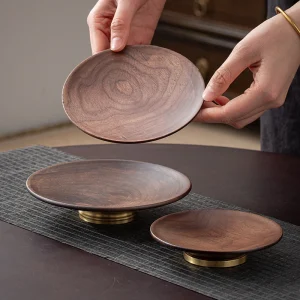
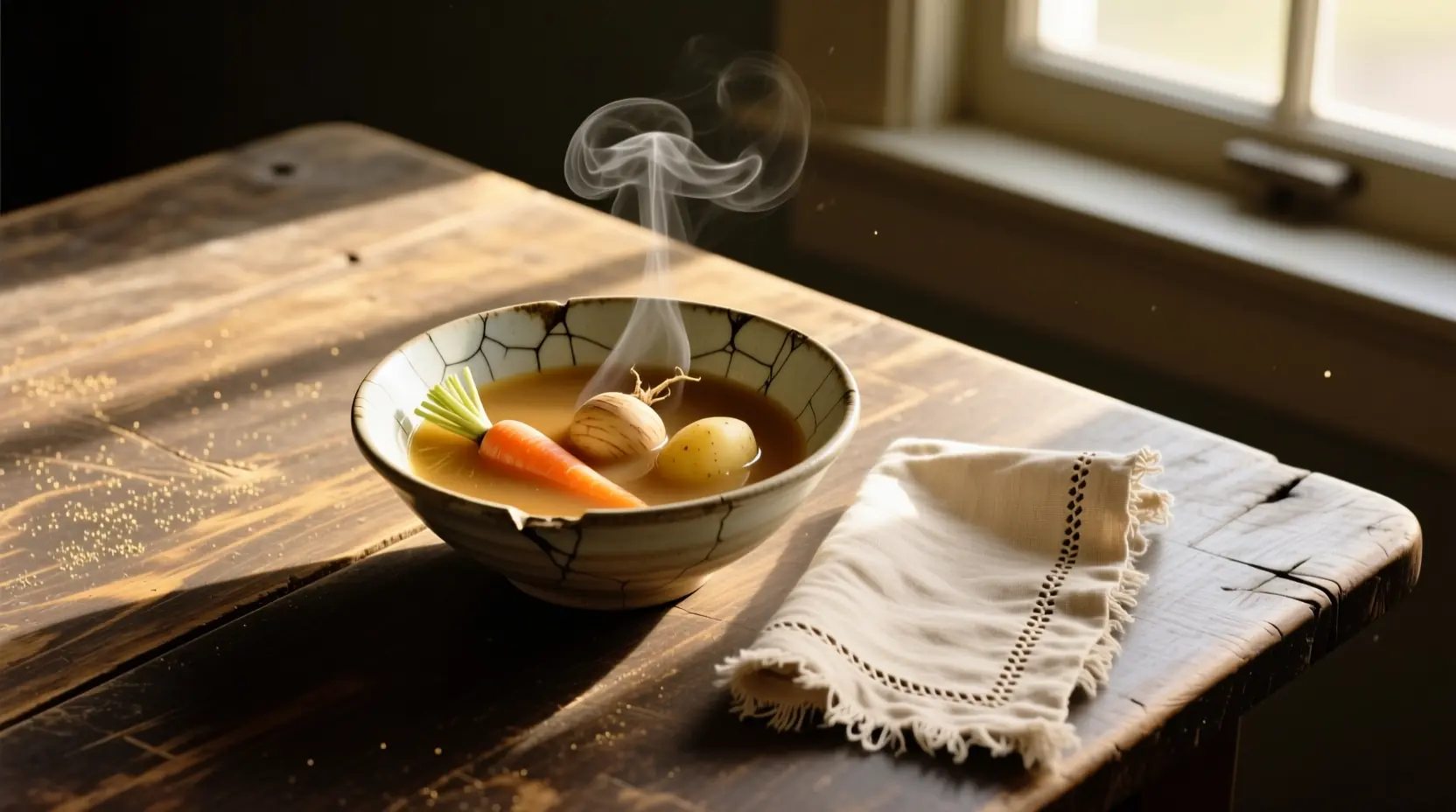
Now, to set the stage for the meal. Your hand should reach not for the matched, the pristine, the never-used. Reach for the vessels that have been held. The bowl with the chip on its rim, from which many winters of soup have been eaten. The water glass faintly clouded by the passage of countless cycles through wash and wear. The linen napkin, softened to the texture of a fallen petal by years of use.
Lay them with intention, but not rigidity. Let the placement be natural, as stones settle over centuries in a streambed. No measured inches. Let each setting be slightly, quietly unique. A different ceramic plate for each guest, perhaps, each with the imprint of its maker’s thumb. This honors the individual soul at your table. It whispers that perfection is not found in uniformity, but in a deeper, more resonant harmony. A single branch of maple, bare and elegant, placed in a simple jug of water. It may hold one last, curled leaf. It is not a centerpiece to be looked at, but a presence to be felt. A quiet guest from the outside world.
The Food of the Earth, Simply Met
The heart of the evening beats low and steady in the kitchen. Here, wabi-sabi finds its purest, most essential expression. We cook not to conquer ingredients, but to collaborate with them. To listen. Choose vegetables that are true to their season, that carry the weather in their skin. A knobby carrot, still trailing a whisper of earth. A cabbage with outer leaves like weathered parchment, protecting the tender heart within. See their forms. Their colors are muted, earned under the honest sun.
Do not hide them in complex sauces. Let them speak. Roast them until their edges singe and their sugars weep golden tears. Steam them until just tender, the color brightening as if remembering the sun. Make a soup, clear and deep, that tastes of the earth and the rain and the patience of roots. The goal is not complexity, but clarity. To taste the carrot-ness of the carrot. The soul of the grain in a loaf of bread, its crust cracked like a dry riverbed, dusted with a fine flour snow.
Embrace the one-pot meal. The stew that simmers for hours, its flavors marrying slowly, without hurry, in the dark of the pot. This is cooking as the alchemy of patience. It fills the house with a scent that is an arrival in itself—a thick, warm promise of nurture. When you serve, serve generously but without fuss. A large, shared bowl placed in the center of the table invites hands, ladles, the breaking of bread together over a common hearth. It turns eating from individual consumption into a slow, communal act of sharing from the same source.
The Unhurried Rhythm: Letting the Evening Breathe
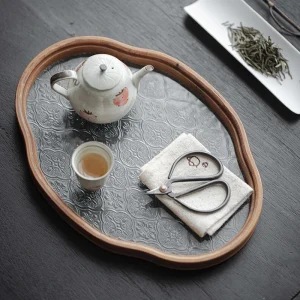
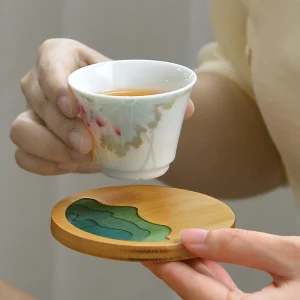
When the guests arrive, let the door be unlocked. Let them find you finishing the last quiet task—wiping a bowl, lighting the final candle. There is no performance to interrupt. Only a flow to join. Offer a drink that is not a cocktail, but a cordial. Warm tea in a small, handle-less cup. A cup of cool water. The offering is hydration for the journey inward, not intoxication for escape.
Let the conversation find its own depth, like water seeking its level in ancient stone. Do not force gaiety. Allow for silences. These are not voids to be filled with nervous chatter, but spacious rooms in which understanding grows, root-like, in the dark. Listen. To the sap-crackle in the fire. To the distant, questioning call of an owl. To the comfortable, breath-deep silence between souls who need no words. The room itself becomes a participant. The walls hold the warmth. The shadows hold the secrets.
Serve the food when it is ready, not when a clock dictates. Let people serve themselves and each other. Feel the weight of the bowl as it passes from hand to hand. Its warmth. This is a ceremony of the everyday, sacred in its simplicity. As you eat, comment not on gossip or grandeur, but on the earthy sweetness of the roasted squash, the sour tang of the wild-fermented bread, the way the light catches the rim of a cup. Anchor the talk in the sensory, the present, the real. The stone, the leaf, the steam.
Embracing the Unscripted: The Crack Where the Light Enters
Something, inevitably, will not go as planned. The loaf may have a dense, heavy heart. A glass may tip, a dark star of wine blooming on the linen. A story may be told that brings an unexpected tear, glistening in the candlelight. This is not failure. Do not see it as such. This is the life of the evening breaking through. The wabi-sabi moment, raw and real. The crack in the glaze where the light enters. Do not apologize profusely. Acknowledge it with a soft smile, a shared breath. A hand on a shoulder. Let it be. It becomes part of the story, the patina of the memory. It reminds us, in a gentle whisper, that we are human. That we are gathering in an imperfect, beautiful world. That is the entire point.
The Gentle Close: Like Leaves Settling After the Wind
As the evening winds down, do not rush to fill the settling silence with music or distraction. Let it settle. The candles will be lower now, their light even more intimate, painting longer shadows. The once-full bowls hold only traces, patterns of herbs and oil. This, too, is beautiful. The evidence of a need met. A hunger satiated.
Clear the table slowly, together if it feels natural. Not as a chore to be conquered, but as a shared closing of the circle. A winding down. Let the sound of washing up be a quiet, companionable rhythm—the clink of ceramic, the rush of water. Offer a final cup of peppermint tea, clean and sharp. Or a single piece of dark, bitter chocolate that melts slowly on the tongue. A last, shared sensory note to end the symphony.
When guests leave, let them leave into the quiet night. No blaring porch light to shock the eyes. Perhaps just the soft, butter-yellow glow from the window to guide their steps. Their goodbyes will be softer, spoken from a place of fullness. Their thanks will feel deeper, for what was offered was not entertainment, but a space. A space to be. To simply be. A space where the soul could rest its elbows on the table, look into the heart of the flame, and sigh.
The Morning After: Seeing the Echo, Not the Mess
You will find the room in the candid light of morning. The empty cups holding cold, forgotten tea. The napkins folded and wrinkled by hands. The last candle, a frozen pool of wax around a drowned, black wick. Do not see a mess to be cleared. See the lingering echo of the evening. The ghost of laughter trapped in the still air. The memory of a touch on the back of a chair. As you clean, do so with a gratitude that is almost a prayer. For the bowl that cradled the stew. For the glass that offered clarity and refreshment. Thank them, in your way. Then put them away, clean and ready, resting until the next slow gathering of the light, the next sigh of the kettle.
For a wabi-sabi dinner party is not an event to be checked off. It is a practice. A deliberate, repeated turn towards slowness, authenticity, and deep respect—for the objects we use, the food we eat, the people we share it with, and the fleeting, precious, untamable nature of the moment itself. It is the understanding, felt deep in the bones, that the true beauty of the gathering lay not in its flawlessness, but in its heartfelt, imperfect, and utterly human reality. In the chip on the bowl. The crackle of the fire. The quiet that held them all. And the long, whispering sigh of the kettle, calling you back to begin again.