A Soul of Walls: The Wabi-Sabi Way to Let Small Rooms Breathe
The city outside hums a constant want. Your apartment is quiet. It speaks in different tones. The creak of a floorboard. The sigh of a settling wall. It does not ask for more. It asks for presence. For listening. Wabi-sabi is not a style you apply. It is a whisper you learn to hear. It begins not with a purchase, but with a pause. Let the noise of ‘more’ fade. Here, in this intimate space, we cultivate not square footage, but depth.
Let Emptiness Sing
Begin with the breath. The space between things. In the West, we call it negative space. A void to be filled. In an older understanding, it is ma. The pregnant pause. The interval that gives rhythm to the song. Your first task is not to add, but to listen to the silence already present.
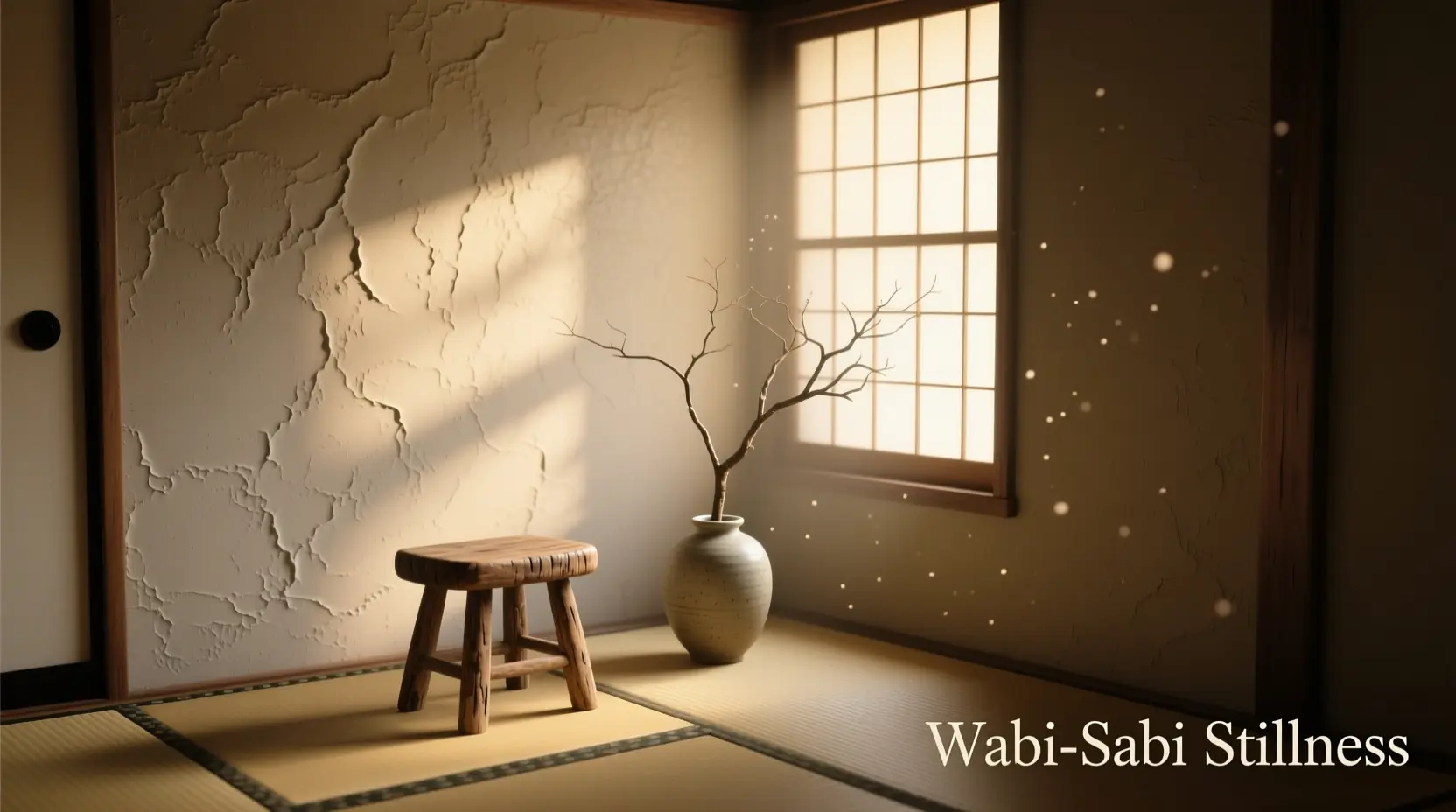
Find a corner. Clear it. Not to starkness, but to clarity. Let the wall meet the floor in a clean line. Place one object there. A stone from a river walk. A single, gnarled branch. Observe how the emptiness around it is not empty. It is full of potential. It is a stage for light and shadow to dance. This cleared space is your first expansion. You have not moved a wall. You have opened a sky within it.
The Texture of Time
Now, feel your surroundings. Run a hand along the plaster. Is it slick, shouting a factory-made perfection? Or is it soft, chalky, holding the imprint of a human touch? Wabi-sabi finds its soul in texture. In the story surfaces tell.
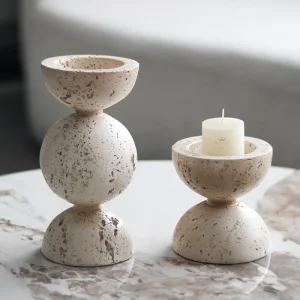
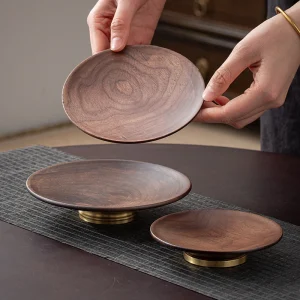
Seek out the grain in wood, raised like a topographic map. The cool, immutable patience of raw stone. The gentle unevenness of hand-thrown clay. These materials do not reflect light; they drink it in and give it back, softened. They change with the humidity of your breath, with the angle of the sun. A scratch is not a flaw. It is a memory. A water ring on wood is the ghost of a shared cup of tea. In honoring this gentle decay, you make peace with time. The room is no longer a static box. It is a living, breathing companion. And what is alive always feels more spacious than what is merely maintained.
Light That Whispers
Forget the overhead glare. It is a shout that pins everything to the ground, defining limits with harsh lines. Wabi-sabi light is a conversation. It is light that has been changed by something else first.
Hang a paper lantern. Watch how it glows from within, a captured moon. Drape a sheer, unbleached linen across a window. The sun becomes a diffused, gentle presence, washing the walls rather than striking them. In the evening, light a single candle. Place it on a stone or in a deep ceramic bowl. Its light does not illuminate the room. It creates a world. A small, golden pool where you sit to read or simply be. The shadows it casts are not voids, but depths—places for the mind to wander. In this play of soft light and deep shadow, corners recede. Boundaries blur. The room breathes in and out with the day.
The Art of the Single View
Your window is a frame. Do not block it with heavy drapes meant to hide the world. Filter it. With a bamboo shade that cuts the city into gentle, vertical stripes. With a pale cloth that turns the passing day into a luminous, moving painting.
If your view is of a brick wall, embrace it. Its pattern is a geometry. Its aging is a narrative. Place a simple pot on the sill. A trailing vine. A single stem of greenery. You are not blocking the view. You are creating a middle ground—a layer that adds depth and mystery. You are in dialogue with the outside.
Inside, practice the art of the single. One scroll on a vast, empty wall. The brushstroke is not a picture of a mountain; it is the essence of the mountain. Your eye rests on it, then travels into the emptiness around it. That emptiness becomes space for thought. For dreams. The wall ceases to be a barrier. It becomes a horizon.
Care as Ritual
A wabi-sabi space is not cleaned. It is tended. This is a crucial distinction. Sweeping the floor becomes a meditation on order. Wiping the wooden table is an act of communion with its grain. Folding a linen blanket is a ritual of respect.
You notice the dust mote dancing in a sunbeam, and you let it dance. You see the spider’s web in the high corner, and you admire its architecture before gently relocating the architect. You are not maintaining a showroom. You are stewarding a small, natural ecosystem. This daily, mindful care roots you in the space. You are not its occupant. You are its partner. This partnership dissolves the feeling of confinement. You are caring for a world, not trapped in a box.
The Freedom of Enough
This is the final, most profound expansion. Wabi-sabi, in the confines of your small apartment, teaches you the freedom of enough.
The craving for the next thing, the newer version, the additional piece… it quiets. It is replaced by a deep appreciation for what is. For the patina on your favorite mug. For the way the afternoon light precisely touches the edge of your worn rug. For the perfect heft of a ceramic bowl in your hands.
Your space is complete. It is not a waiting room for a better, bigger life somewhere else. It is the life. Honest. Unadorned. Deeply sufficient. The crack in the plaster becomes a river on a map. The worn spot on the floor is where you pace and think. The smallness is not a limitation; it is an intimacy. A defining frame that makes everything within it more precious, more seen.
You realize your apartment was never small. You were just listening to the wrong voices. It was always a universe in miniature. A pine cone holds the pattern of the entire tree. A dewdrop holds the reflection of the whole sky. And your quiet, weathered, soulful space—when tended with a reverent heart—can hold the peace of a forest, the patience of stone, and the serene, expansive acceptance of time itself. You have not made it feel bigger. You have simply remembered what it always was: enough.