The World Outside Is a Blade
It is honed. Tempered for a cutting clarity. It shines with a relentless, fevered light. It chants a single, taut syllable: more. Newer. Smoother. When the day folds in upon itself and your bones sigh for the dark, what do you carry across that threshold? Do you bring the blade into your cave of dreams?
There exists an older breath. A slower pulse. It asks for no acquisition, only a certain kind of seeing. It is the way of weathered grain, of moss on stone, of the gentle surrender of shape to time. To name this wabi-sabi a ‘style’ is to call the tide a decoration. It is not a look. It is a listening. A deep, grounded reverence for the authentic life of things—their cracks, their stillness, their quiet testimony to use and to age.
This is no installation. It is a cultivation. A slow coaxing-forth of sanctuary. Let us walk this path. Let our footsteps be slow. Let us build not a showcase, but a cradle. A vessel for slumber, shaped from silence and patina.
First, the Unmaking
Begin with hollowing. Not tidying. An archaeology of the soul.
Open the window. A ritual of exchange. Let the spent air—thick with the static of screens, the ghost of conversations, the metallic taste of hurry—flow out. Welcome the night air. It carries the scent of turned soil, of distant woodsmoke, of simple emptiness. Let the room breathe first. It must empty before it can hold you.
Now, stand in the center. See not objects, but weight. What here serves rest? What bears the cold imprint of obligation? The lamp with its aggressive glare. The stack of books that murmurs of guilt. The synthetic fiber that repels the skin’s touch. Begin with subtraction. Peel back the layers of clamor. Make space for the quiet to take root.
The walls. Perhaps they shout in a bright, anxious white. Or hum a low, corporate beige. Consider a different hue. The color of things left in rain and sun. The grey of forgotten dove feathers. The brown of damp bark. The green of lichen dreaming on north stone. These are not colors that speak. They absorb. They receive the day’s sharp edges and return only a soft, visual hush. Upon this canvas, the dawn will paint, the dusk will stain. You will witness the day’s gentle death and rebirth on a field of tender grey.
The Skin of the World
Now, to texture. The modern touch is sterile. Lacquered. Fearful of mark. Here, your skin must be awakened.
Let the floor remember it came from the earth. Wide-plank oak, its surface a topography of generations, each groove a river of time. Or tatami, smelling of summer grass and sun, teaching the foot to fall with reverence. If stone calls, let it be honed limestone, cool and accepting, its surface like sea-smoothed shell. Press your bare sole to it. This connection is a silent liturgy. A rooting.
For the bed, the hearth of this quiet fire, seek materials that remember they were alive. A frame of salvaged cedar, its grain a wild, swirling knot of storms and sun. Its scent, a memory of forest shade. Or simple blackened iron, showing the kiss of the maker’s flame. Dress it not in shouts of pattern, but in the whisper of cloth. Undyed linen. It will crumple. It will map the geography of your sleep in creases and soft valleys. This is its truth. With each washing, it grows softer, more intimate, like a trusted voice.
An Altar of Honest Things
Here lies the quiet heart. The philosophy of the flaw.
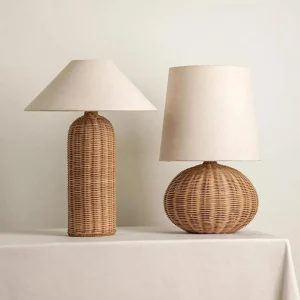
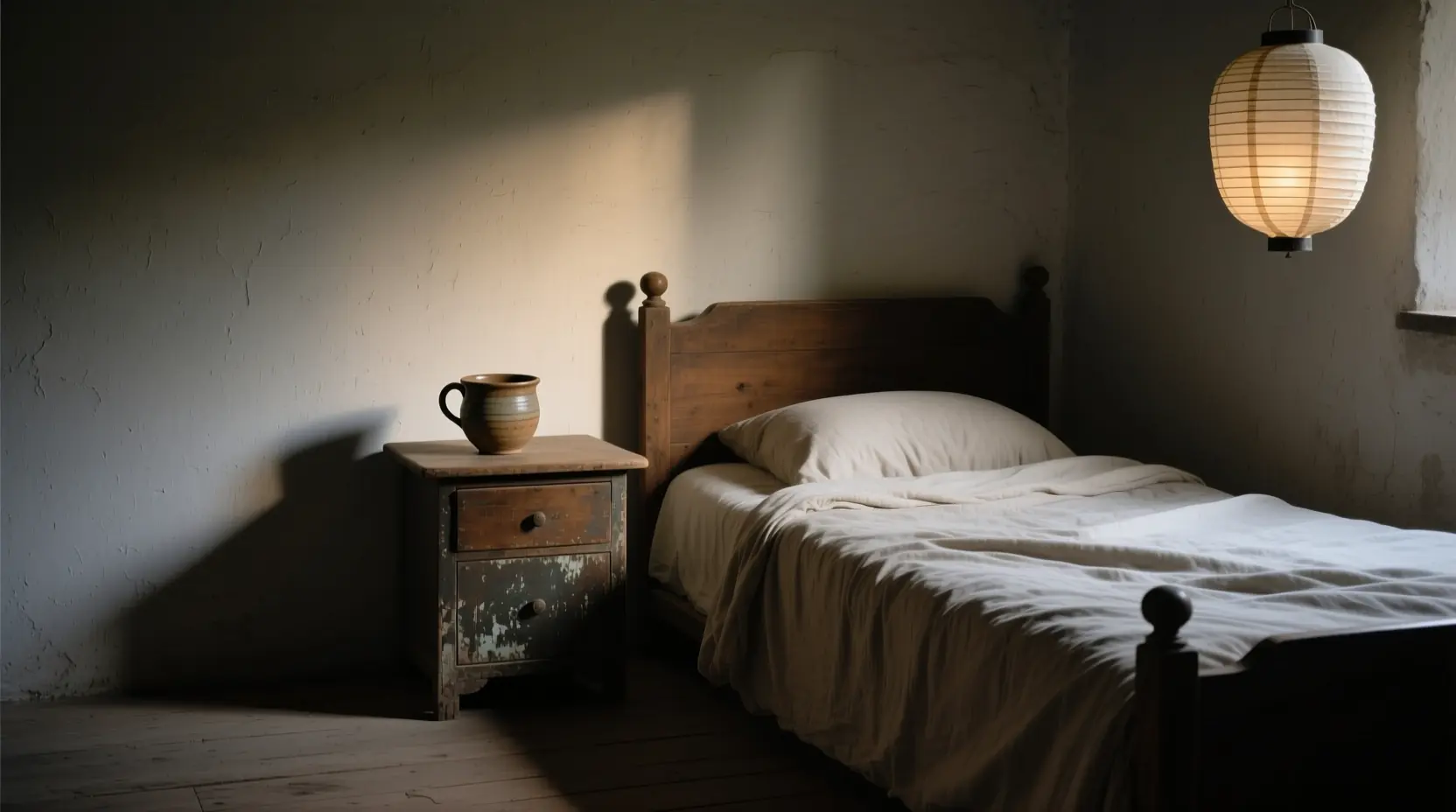
On the table beside you, let there be a cup for water. Let it be ceramic. Let it lean slightly, where the wheel slowed. Let the potter’s thumbprint remain, a fossil of a moment. It holds the water. It also holds the truth of a human hand. Your light might be of handmade paper, its glow a warm, peachy ember. Its light breathes. Its shadows are soft, alive, dancing at the edges.
Choose one piece. Only one. A single brushstroke on a scroll. A fragment of worn textile, its edges frayed like a whispered secret. Frame the fray. Honor the unraveling. These are not ornaments. They are anchors. Their imperfections murmur: You are here. You, too, are a beautiful fragment.
Let the wood speak its history. The knot where a branch reached for light. The dark river of sap, a healed wound. Do not sand these away. They are medals of existence. They say, I have endured. In their stubborn, honest presence, they grant you a solemn permission: to be worn. To be marked. To be real.
The Liturgy of Shadow and Air
Light is not for illumination alone. It is for atmosphere. For soul.
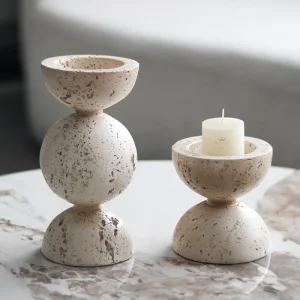
Extinguish the overhead sun. Its flat glare is the voice of midday. Instead, learn the poetry of the pool and the penumbra. A single beeswax candle. Its flame is a living, trembling spirit. A small bulb in a paper lantern, placed low, washing a wall in an upward sigh. Let light be found. Let it be a revelation in a corner. Allow the darkness its rightful place. It is the velvet that makes the light precious. The silence between the notes.
And scent? Not an assault. A ghost. A sprig of rosemary, crushing itself quietly on a shelf. A linen pillow stuffed with dried hops, smelling of forgotten orchards. Or simply the clean, mute scent of wool, of oak, of the night air from the open window. Let the room smell of its own essence. Of its materials at rest. This is integrity. This is enough.
The Necessary Void
This is perhaps the final, most sacred act. After you have placed the worn wood, the rumpled linen, the leaning cup… you must stop. You must leave a void.
A clear space of floor where the moonlight can become a lake. A stretch of blank wall where the eye can rest, where thought can unravel. A shelf holding nothing but dust and a sliver of afternoon sun. This emptiness is not absence. It is potential. It is the chamber where sleep is composed. The mind, cluttered with the day’s sharp syllables, needs a blank page for its dreaming.
In such a room, you are not judged by things. You are accompanied by them. The warp in the beam. The gentle slump of the pillow. The slow migration of a shadow across the plaster. This is wabi-sabi. It is a nightly tutelage in the grace of the incomplete. It whispers that all things—the bruise on the peach, the silver in your hair, the mend in the bowl, the long fade of evening—belong to the same beautiful, transient whole.
When you lie down here, you do not lie in a magazine. You lie in a truth. The frantic gospel of perfection is gently dismantled by the rough truth of the timber above you. The cold fear of time is warmed by the honeyed sheen of the old floor. The itch for more is quieted by the sufficient, humble cup.
You are simply a body. In a room. Ready for the tide of sleep. The wind traces the pane. The timber groans, a soft song of settlement. The last light sinks to an ember, then ash.
And in that deep, resonant quiet, woven from the soul of humble, honest things, sleep finds you. Not as a conqueror to be fought, but as a familiar tide. It settles into the linen’s wrinkles. Into the cup of your palm. Into the peaceful, imperfect, and utterly complete sanctuary you have learned, finally, to call a home.