The Silent Breath of the Room: On Ma, and the Space Between Things
Listen.
Before you read another word, listen to the room you are in. Not to its sounds, but to its silence. To the space between the floorboards. The gap where the wall meets the ceiling. The air that moves, unhurried, in the corner where nothing sits. This is not empty space. This is Ma. It is the breath. The pause. The unsung note that makes the melody.
In our homes, we fill. We acquire, we arrange, we layer. We mistake fullness for comfort, and activity for life. But the old carpenter, his hands reading the grain of wood like a priest reads scripture, knows a different truth. He does not build the shelf. He builds the space upon it. The potter does not shape the clay. She shapes the void that the clay contains. Ma is this understanding. It is the respectful, conscious interval between objects, between sounds, between moments. It is not mere absence. It is a presence—the presence of potential, of stillness, of peace.
To invite Ma into your home is not to create a stark, cold emptiness. It is to cultivate a felt silence. A quiet richness. It is the art of holding back, so that what remains can truly breathe, and speak its piece.
The Weaver of Stillness
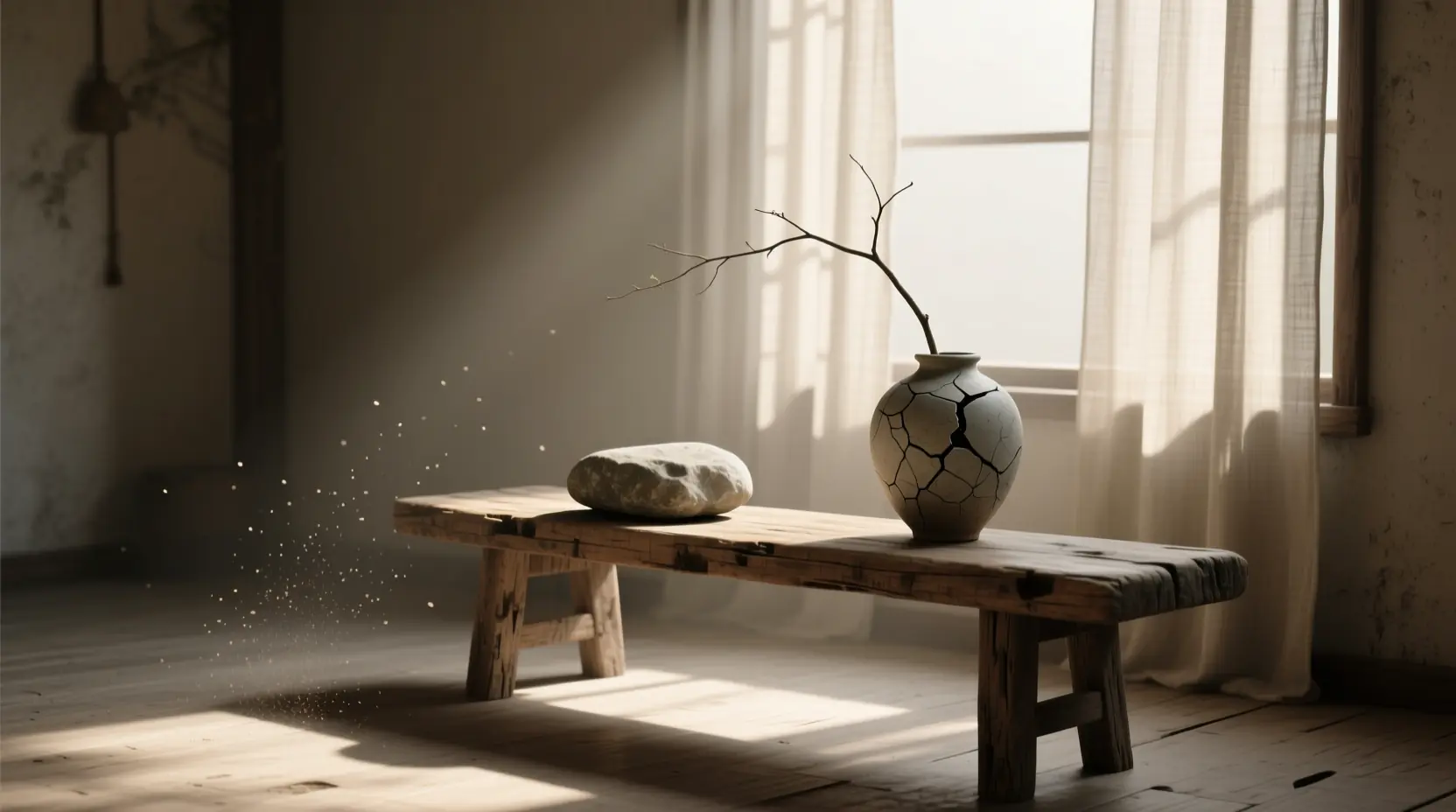
Think of a single, smooth stone placed on a worn wooden bench. The stone is not the focus. The focus is the relationship. The dark grain of the wood flowing around the stone’s pale weight. The space that cradles it. This is Ma. It is the conversation between object and surface, between thing and nothingness. Our first task is to become weavers of this stillness.
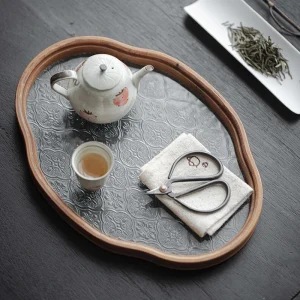
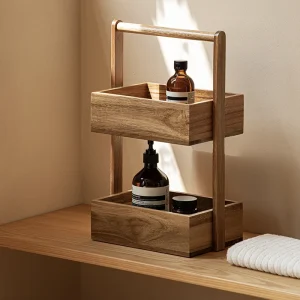
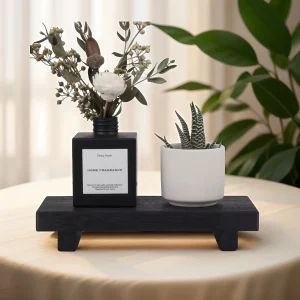
Begin with your surfaces. The altar of the kitchen counter. The stage of the dining table. Clear them, not to barrenness, but to essence. Let one object remain. A bowl of three river stones, still cool from the water’s memory. A solitary vase holding a single, bending branch. See how it claims its dignity when it is not shouting amidst a crowd. Feel the space around it become charged, attentive. This space is the canvas upon which your life is gently painted each day. It is the margin around the text of your living. A margin is not wasted paper. It is where the eyes rest, where understanding settles.
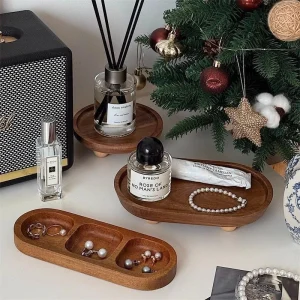
Now, move through your rooms with slow feet. Not as an owner, but as a guest. See the clutter not as things, but as blocked paths. Where does the air stop moving? Where does your eye catch, and snag, and grow tired? A crowded shelf. A chaotic hook by the door. These are places where Ma has suffocated. Choose one. Just one. Empty it entirely. Feel the weight lift from the wall, from the air itself. Wipe the dust from the empty space. Let it be empty for a day, for two. Watch the light change across its blankness. Then, if you must return something, let it be one thing. The one thing that truly earns its place in that newly-won silence. A well-loved book, its spine cracked with wisdom. A simple earthen cup. Place it with intention, as you would place a guest of honor at your table. Honor the space you have made around it. This is the practice. Not a single purge, but a continual, gentle tending. A pruning of the material so the immaterial—the calm, the quiet—may grow.
The Patina of Time and Light
Ma is deeply wed to time. To transience. It is not the silence of a vacuum, but the silence of a forest—full of slow growth, gentle decay, and patient light. In our quest for newness and shine, we often forget the profound beauty of the aged, the worn, the imperfect. These are the notes that give the silence its depth.
Consider the materials under your hands. The cool, uneven texture of plaster, holding shadows in its valleys. The warm, silken wear of an old oak floor, where the grain rises like a map of decades. The rough, honest weave of a linen curtain, softening the light into something you can almost drink. These are the textures that hold Ma within them. They do not shout. They whisper. They absorb sound, they hold space, they change with the hours. They are alive.
Bring in the weathered. A bench of greyed cedar, bearing the marks of sun and rain. A cast iron pot, its bottom kissed by a hundred fires. A stone, hollowed by a stream’s persistent song. These objects carry their own history within them. They do not demand attention; they reward it. And because they are already complete in their journey, they ask for nothing. They simply are. In their presence, we are reminded that we, too, are part of a slow, patient flow. Our anxieties soften at the edges.
Then, there is the light. Light is the painter of Ma. It is what animates the space between. Watch it. In the morning, it lays long, sharp rectangles across the floor, alive with dancing dust. By afternoon, it pools, warm and thick, in a corner. Your task is not to fight it with heavy blinds, but to choreograph it. A sheer, textured cloth can fracture the light into a soft haze. A bamboo screen can lay stripes of shadow that slowly march across a tatami mat. Allow darkness its role, too. A deep, unlit corner is not a void to be feared. It is a place of rest, of mystery, of depth. It makes the lit space more precious. Do not illuminate every shadow. Let some things remain half-seen, suggested. This is the space for the mind to wander. For imagination to stir.
The Rhythm of Daily Ma
Ma is not only in the arrangement of a room. It is in the rhythm of your movement through it. It is in the pauses you cultivate. The domestic rituals become a kind of moving meditation, a dance with the emptiness you have honored.
The act of cleaning, when done with presence, is the cultivation of Ma. Sweeping the floor is not a chore. It is the careful clearing of the stage for the day’s performance. Wiping a clean, clear surface is a benediction. You are not removing dirt. You are honoring the space. You are saying, “This too is important. This silence, this order, is the foundation.”
Even the storing of things can be an act of respect. Fold a blanket slowly. Feel its weight and warmth. Place it in a cupboard, not stuffed, but arranged, with air around it. Put away a dish, dry and warm, giving it a place of its own on the shelf. This mindful putting-away is the closing of a parenthesis. It returns the Ma to the room. It completes an action, leaving the space ready, open, and breathing for the next one.
Create small, deliberate pauses. The space between waking and rising. The three breaths taken before entering your front door, leaving the world’s chaos outside. The moment of stillness before you lift your chopsticks to eat, acknowledging the bowl, the steam, the space that holds the meal. These are temporal Ma. They are the punctuation in the run-on sentence of modern life. They create rhythm. They prevent the soul from becoming a frantic, noisy clutter.
The Soul of an Object
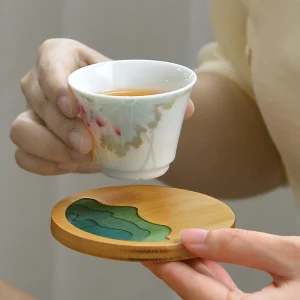
In the end, a home rich with Ma is a home that listens more than it speaks. The objects within it are not commodities. They are companions. Each has been chosen, not for its utility alone, but for its soul—its mono no aware, its poignant awareness of impermanence. A cracked glaze on a teacup. A rust spot on a knife blade. The way a wooden spoon fits your palm after years of use. These are not flaws. They are stories. They are evidence of a life lived together.
When every object has this resonance, and is given the space to express it, the entire home becomes a living being. It breathes. It rests. It holds you. The space between the chair and the fireplace is not a measured gap. It is a place for contemplation. The emptiness above the low table is not air. It is a vessel for conversation, for shared silence, for the weightless yet palpable presence of those you love.
You do not own this space. You are its tender. Its gardener. You water it not with things, but with attention. You prune it with discernment. You allow the light of day and the dark of night to perform their ancient play upon its surfaces.
So, move slowly. Choose sparingly. Listen deeply. Let the rough stone and the smooth wood and the worn textile teach you their quiet language. Clear not just a shelf, but a moment. Honor not just an object, but the space that cradles it. In that respectful pause, in that conscious interval, you will find something you thought was lost.
You will find the calm, steady heartbeat of your own home. The silent breath in the room. The Ma. It was always there. You were just, until now, too full to hear it.