First, Unlearn the Ruler
The world was not born from a grid. It does not hatch from a blueprint of straight lines. Outside my window, the hill rises not as a climb, but as a slow, earth-deep sigh. The river stone in your palm—cool, heavy—its form a long conversation between water and relentless time. No haste in it. No argument. The branch that traces the sky is a supple arc. A charcoal line drawn not by rule, but by the patient hand of growth.
We forgot. We brought the sharp line indoors. The assertive corner. The ninety-degree world. We built boxes within boxes, sat in the rigid embrace of control. A mind’s geometry, believing it could conquer the wild, meandering spirit of things.
The body remembers what the mind forgets.
The Shadow Cast by a Curve
A sharp edge cuts light. Its shadow is a line of division, dark and certain. “Here,” it says. “And no further.” Your skin whispers a warning near it. This is the geometry of vigilance.
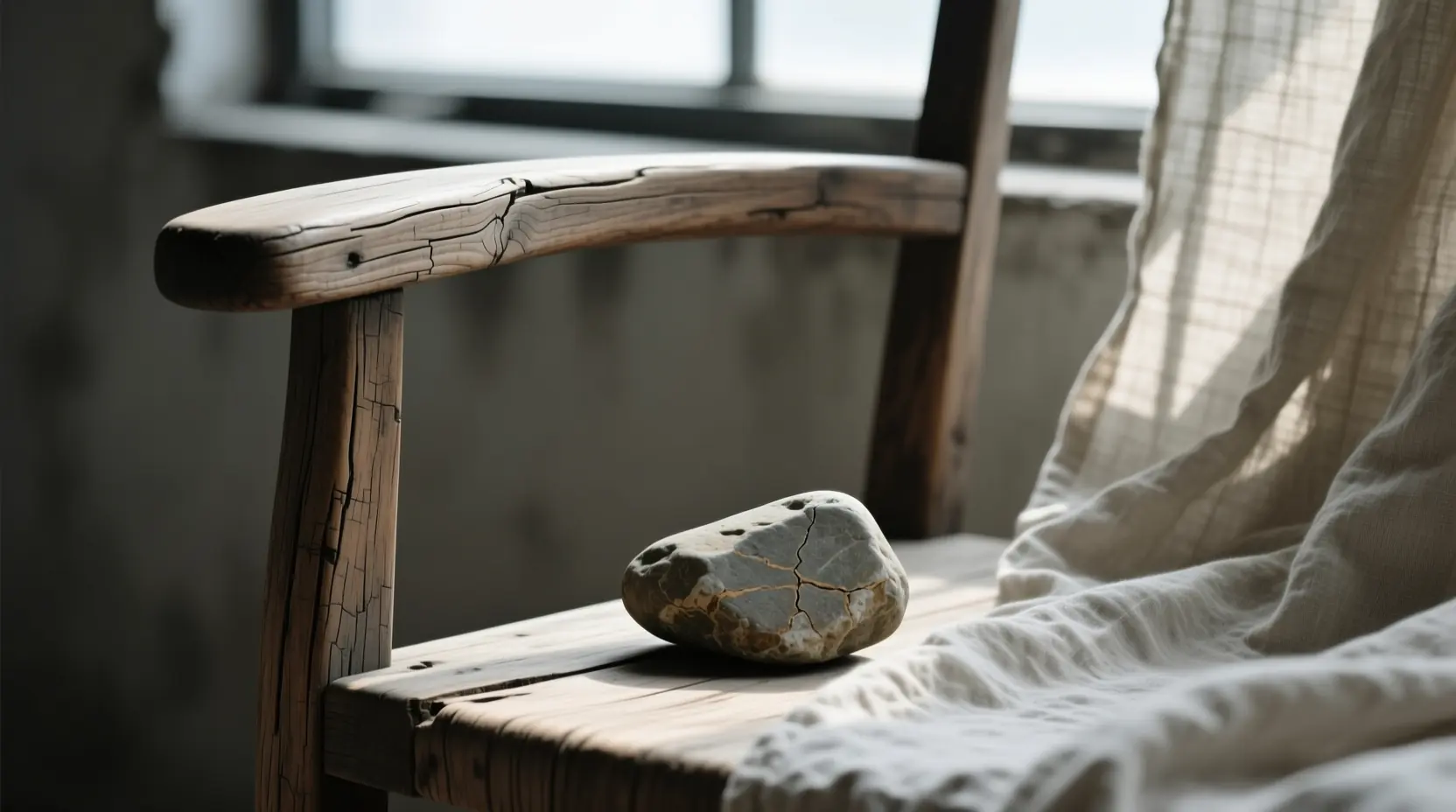
Now, look here. The arm of this old chair I mend. See how it flows from the leg—like a rising dough, like the curve of a resting thigh. Its shadow is a soft pool of dusk, bleeding gently into the light. No beginning. No end. This shadow does not cut; it embraces. To sit here is to settle into a shape that has already made room for you. The curve is an invitation. The right angle, a command.
We are weary of commands.
The Hand Knows the Path
A craftsman does not fight the material. He listens. Grain is not straight. It is a map of a tree’s life—years of lean, seasons of plenty, the persistent turn toward the sun. To run a palm along curved oak is to read this story. A path with direction, but no destination. A journey, not an arrival.
The machine loves the straight line. Efficient. Repetitive without complaint. But the human hand, remembering, loves the curve. The adze finding the natural arc in green wood. The knife following the body’s own radius. We are making kin. Shaping wood into something that echoes the bowl of a hip, the cave of the rib, the gentle orbit of an arm held close.
Furniture born from this communion does not shout. It murmurs. “I was alive. I grew. Now, I will support your life.”
The Beauty Worn Smooth
See this crest on the chair’s back? The lacquer loved away by a hundred shoulders. Ten thousand moments of leaning back to think, to laugh, to weep. The wood beneath is silken now, a clouded mirror of all those gestures. The curve accepted this wear. Made a poem of it.
A sharp corner, when worn, chips. Breaks. It reveals brittleness. A failure. But a curve, worn smooth, becomes a testament. Proof of harmony with use. It was designed not for a photograph, but for a life. This is the beauty of transience—not decay, but a slow softening into truth. The soul of an object lives in these gentle hollows. These patches of silent conversation between it and the world.
Holding Space, Not Occupying It
A rectangular table defines. It claims its plot. “This space is mine.” Tension lives in its corners, pointing out like accusations.
A table with softened edges, with a flowing form, does differently. It holds space the way a cupped hand holds water—not by force, but by welcome. Space flows around it. The eye is led, not stopped. People gathered are drawn into a shared circle. Conversation itself becomes rounder. Softer. Less likely to snag.
We do not need furniture that shouts its importance. We need furniture that creates a clearing. A safe harbor. The curve is an act of hospitality.
The Circle Within the Square
We still live in the house of the right angle. Walls meet at sharp junctions. Windows are frames of pure light. This is the shell. The given world.
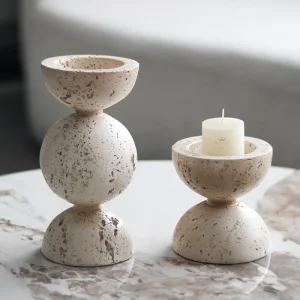
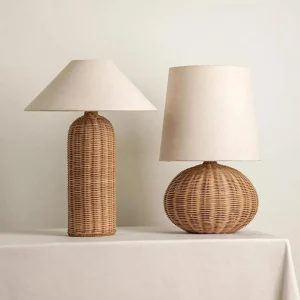
But inside, we can grow a different landscape. Bring in the hill. The stone. The bending branch. A curved sofa becomes a sheltered cove in a room of straight lines. A round-edged cabinet, a smooth boulder rolled gently into the corner, offering its broad back for our things. Not rebellion. Respiration. The long, slow exhale after a day of walking straight paths, thinking linear thoughts.
The body, coming home, seeks to unclench. It does not want to negotiate. It wants to surrender. To sink. The memory of the womb is a curve. The comfort of an embrace, a circle. Our deepest instincts are not angular. They are orbital.
Why the Soul Seeks the Curve
They ask me, why now? This turning toward the soft, the rounded, the organic?
Perhaps we have felt the cuts for too long. Not just of sharp edges on tables. But of sharp words in the air. Sharp divisions in the world. The relentless, jagged pace of a life lived in fragments. The soul feels cornered. It seeks refuge in forms that speak of wholeness. Of continuity. Of things resolved.
A curved piece is a resolved thought. It has no loose ends. A sentence that completes itself. In its presence, the nervous eye rests. The agitated mind finds a place to circle slowly, and then to settle. It offers a geometry of peace.
Like a Stone in the Stream of Days
Do not think of this as a fashion. It is not a trend that has come, but a memory that has returned. A recollection that we are, ourselves, organic shapes. Curves and arcs of eyelid, earlobe, the incredible, delicate spine that holds us up with its gentle “S”.
When you bring a curved, organic form into your home, you are not adding an object. You are placing a stone in the stream of your daily life. The hard lines of your days will flow around it. They will be softened. Slowed. Patterned by its presence. Over time, that piece will wear the marks of your passage—a faint gloss where a hand rests each morning, a gentle darkening where the light always finds it.
And one day, long from now, someone will run a hand along its flowing line. They will feel not just wood or fabric, but a kind of quiet. A finished thought. The shadow that does not cut. The edge that welcomes. The shape that remembers it was once part of something alive, growing, and reaching. Always reaching. Not in a straight line toward some distant goal, but in a slow, beautiful curve toward the light.