The Dust Motes Drift, Settling on Truth
The air in the workshop is not empty. It is full of waiting. Dust motes, golden in a single shaft of morning, spiral down. They settle on wood grain, on the quiet joinery of a stool, on the silent truth of objects that know how to wait. To speak of what comes next, one must first listen to what persists. To speak of what to watch, one must understand how to see. Not with the frantic eye of commerce, but with the patient gaze of a gardener. Observing the slow turn. The gentle decay. The new green shoot.
What will matter is not the newest. It is the most enduring. In the space where Scandinavian light meets Japanese shadow, a philosophy breathes. It is a tempo. A rhythm of simplicity. Of natural honesty. Of objects that hold silence within them like a vessel holds water.
Here, then, are not brands. They are quiet custodians of a feeling. Watch them not for their growth, but for their roots. For their deepening.
A Bowl: To Hold the Empty Light
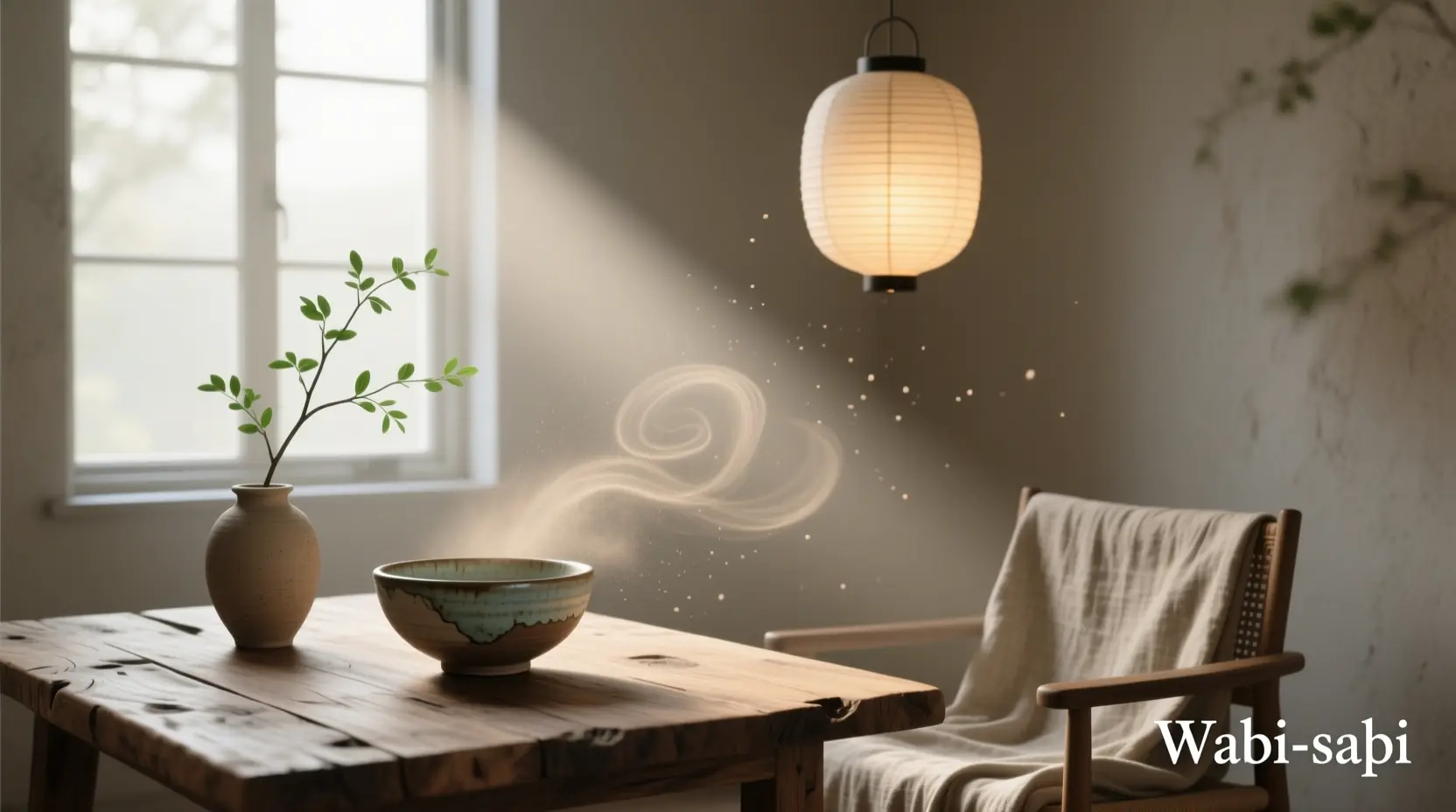
Consider the curve. The bowl. The way it meets the palm, a cold kiss. The rim that catches the dawn. There is a studio, somewhere in the misted forests, where the making of a vessel is a conversation with emptiness. It is about what the object allows to exist within it. The morning broth. The solitary pebble. The long, pale shaft of winter light.
In the time to come, watch those who master this humble art. Look for the hands whose names are whispered less often than their forms are felt. Their evolution is toward a greater austerity. A purer line. They will seek not statement, but sanctuary. Their glaze will resemble rain-streaked stone. Their carafe will pour without a sound.
The beauty is in the slight irregularity. The fingerprint pressed into the cool clay. The tiny bubble trapped in the glass—a frozen breath. These are not flaws. They are the object’s soul. Its wabi-sabi heart. We will not pay for perfection. We will invest in these gentle testaments to the hand that made them. To the moment of making.
The Joint That Breathes With the Wood
Feel the stool beneath you. Solid. Grounded. It does not cling to the floor. It rests upon it. There is a reverence in the joining of wood. A philosophy where the nail, the screw, are seen as a violence. An interruption. Instead, the craft speaks of friction. Of lock. Of embrace. The wood is allowed to move. To expand and contract with the humidity of a living space. The joint respects this life. This breath.
Watch for the deeper forays into lineage. They may not just sell a chair. They may tell you the forest where the oak grew. The name of the forester who selected it. The journey of the planks across the silent sea. Their transparency becomes their structure. Their aesthetic grows mute. Colors pulled directly from earth. From mineral. From the underside of a leaf.
But also, watch the smaller ateliers. Their work is the antithesis of the line. Each piece is a mediation. A chair is not assembled. It is composed. The curve of a backrest follows the curve of a spine at rest. In our coming days, our furniture must not demand attention. It must offer support. It must be a companion for decades. Aging into a softer, richer version of itself. Its scratches a map of mornings. Its patina the gloss of countless quiet evenings.
The Loom That Weaves Time, Not Thread
Close your eyes. Feel the cloth. The honest roughness of raw linen. The dry, cool kiss of organic cotton. The irregular, nubby texture of wool spun by hand. This is the textile of a calm life. It does not shout of luxury. It whispers of comfort. It is born from the rhythm of the loom. A rhythm slower than the heartbeat.
The custodians to watch are those intertwined with this ancient pulse. Their focus will deepen from product to process. They will champion the undyed hue. The gray of the sheep. The brown of the walnut hull. The pale green of over-steeped tea. Their fabrics are woven to last a lifetime. Designed to grow softer. More personal. More *yours* with every season that passes.
Look to the horizon where collaboration blooms. A blanket becomes a narrative. The indigo from this field. The weave from that ancestral workshop. We will cover ourselves not just in cloth, but in legacy. In human hands. The fabric will hold the memory of its making. And in turn, it will hold our rest.
The Frame That Honors Shadow
One land worships the light. The other respects the shadow. The meeting point is where true atmosphere is born. It is not about illumination. It is about revelation. A light should not flood. It should discover. It should carve a pool of calm in the evening dark. Outline the texture of a wall. Celebrate the beautiful emptiness of a corner.
The ones who will matter understand light as a sculptor of space. Their innovations may live in imperfection. The hand-blown glass with deliberate, wavy distortions. Casting rippling light, as if from underwater. Their metals allowed to oxidize. To tell the story of the air in the room.
But watch, too, for the true masters of the paper lantern. Their light is the most profound. Diffuse. Gentle. Democratic. It casts no harsh glare. Only a glowing, luminous skin. As our digital worlds grow ever brighter, our physical sanctuaries will crave this soft, forgiving radiance. A light that does not command. But allows. A paper globe, containing a sun of its own gentle making.
The Stone That Asks for Your Care
Finally, the stone. The worn-smooth river rock that serves as a paperweight. The rough, unglazed planter that sweats with the breath of the living clay. The brass vessel that expects to tarnish. To be polished by the incidental touch of a thousand days. This is the heart of the matter. Objects that are not finished when purchased. They are only begun.
The ultimate custodian may not be a name at all, but a practice. The philosophy of care. It is represented by those who provide not just objects, but the means for their renewal. The simple cloth for polishing wood. The pure oil for the cutting board. The raw beeswax for the leather. Their future is in community. In mending workshops. In knowledge shared on grain and patina. In fostering a relationship between owner and object that is active. Not passive.
In the time to come, the most precious thing we can own will be an object that we know how to fix. That carries the marks of our care. A table we have oiled each winter becomes more than furniture. It becomes a ritual. A calendar. This is the deepest layer. The fusion of mindful making and mindful keeping. The soul of the object is completed not by the craftsperson alone. But by you. By your hand. By your attention.
The Stream Does Not Rush
The stream does not rush to the sea. It meanders. It finds the path of least resistance, wearing stone smooth over millennia. It reflects the sky. The overhanging branch. The passing heron. So it is with these spaces. These objects. This way of being.
To watch these quiet custodians is to watch a river. Look not for the splash. But for the current. Not for the new. But for the enduring. They remind us that a room is not a display. It is an ecosystem. A composition of light, texture, silence, and use. It is a dialogue. Between the human spirit and the spirit of the natural world. In their quiet evolution, they offer an antidote. To the frantic. The disposable. The loud.
They teach us that the future of beauty is not about addition. It is about subtraction. It is about leaving space. For the light to pool. For the wood to breathe. For the linen to soften. For the soul to rest. In the end, the one to watch is the one you no longer see at all. It is the one that simply feels. Like home. A slow, deep, and quiet belonging.